

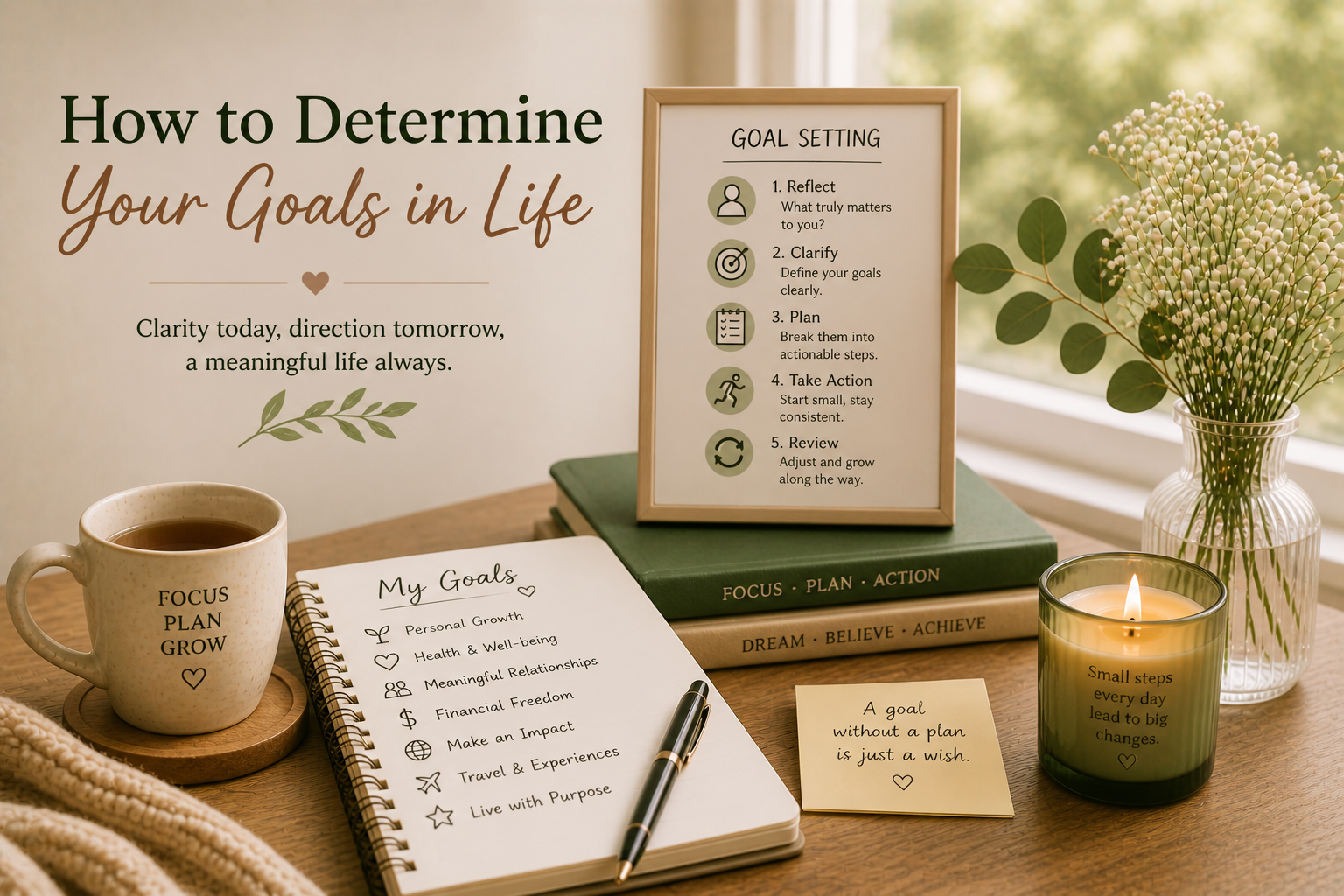
Finding clarity in a world full of expectations—and choosing a path that feels like your own
When You Feel Lost, You’re Not Behind
There comes a point in life where things look like they should make sense—but don’t. You may have completed your studies, followed a logical path, or done what was expected of you, yet still feel unsure about where you’re heading. That uncertainty can feel uncomfortable, especially when it seems like everyone else has it figured out.
But feeling lost is not a sign that you’re failing. It’s often a sign that you’re beginning to question what truly matters to you. And that questioning, though unsettling, is where clarity starts to form.
Separating Your Voice from the Noise
One of the biggest challenges in determining your goals is learning to recognise which desires are truly yours—and which ones have been shaped by expectations. Family, society, and even peers can influence what success is supposed to look like. Over time, it becomes easy to follow a path that makes sense externally but feels disconnected internally.
Taking a step back to reflect is important. What do you value? What kind of life feels meaningful to you—not impressive to others, but fulfilling to you? These are not questions you need to answer instantly, but they are worth sitting with. Clarity doesn’t come from rushing—it comes from honesty.
Understanding Yourself Before Setting Direction
Goals that last are not built only on ambition—they are built on self-awareness. Understanding your strengths, your natural tendencies, and even your limitations gives you a clearer sense of direction.
This doesn’t mean you need to have everything figured out. It simply means being willing to observe yourself without judgment. What energises you? What drains you? Where do you naturally feel engaged? These patterns offer valuable clues. When your goals align with who you are, it becomes easier to stay committed to them.
Starting Small Instead of Waiting for Certainty
Many people delay taking action because they are waiting for complete clarity. But clarity often comes after you begin, not before. You don’t need a perfect plan to start—you just need a direction that feels worth exploring.
Small steps matter more than big declarations. Trying something new, learning a skill, having a conversation—these are all ways of moving forward. As you take action, your understanding deepens. Goals become clearer not through thinking alone, but through experience.
Building a Life That Feels Like Yours
It’s possible to achieve success by external standards and still feel unfulfilled. That’s because real satisfaction comes from alignment—when your actions reflect your values and your sense of self.
Determining your goals is not about chasing what looks good. It’s about creating a life that feels right. This may require adjusting your expectations, redefining success, or letting go of paths that no longer fit.
It’s not always easy—but it is honest. And over time, that honesty leads to a deeper sense of purpose and direction.
Don’t figure it all out by yourself
If you’ve been feeling uncertain about your direction, you’re not alone—and you don’t have to figure it all out by yourself.
Sometimes, having the right questions and a different perspective can help you see what’s been there all along.