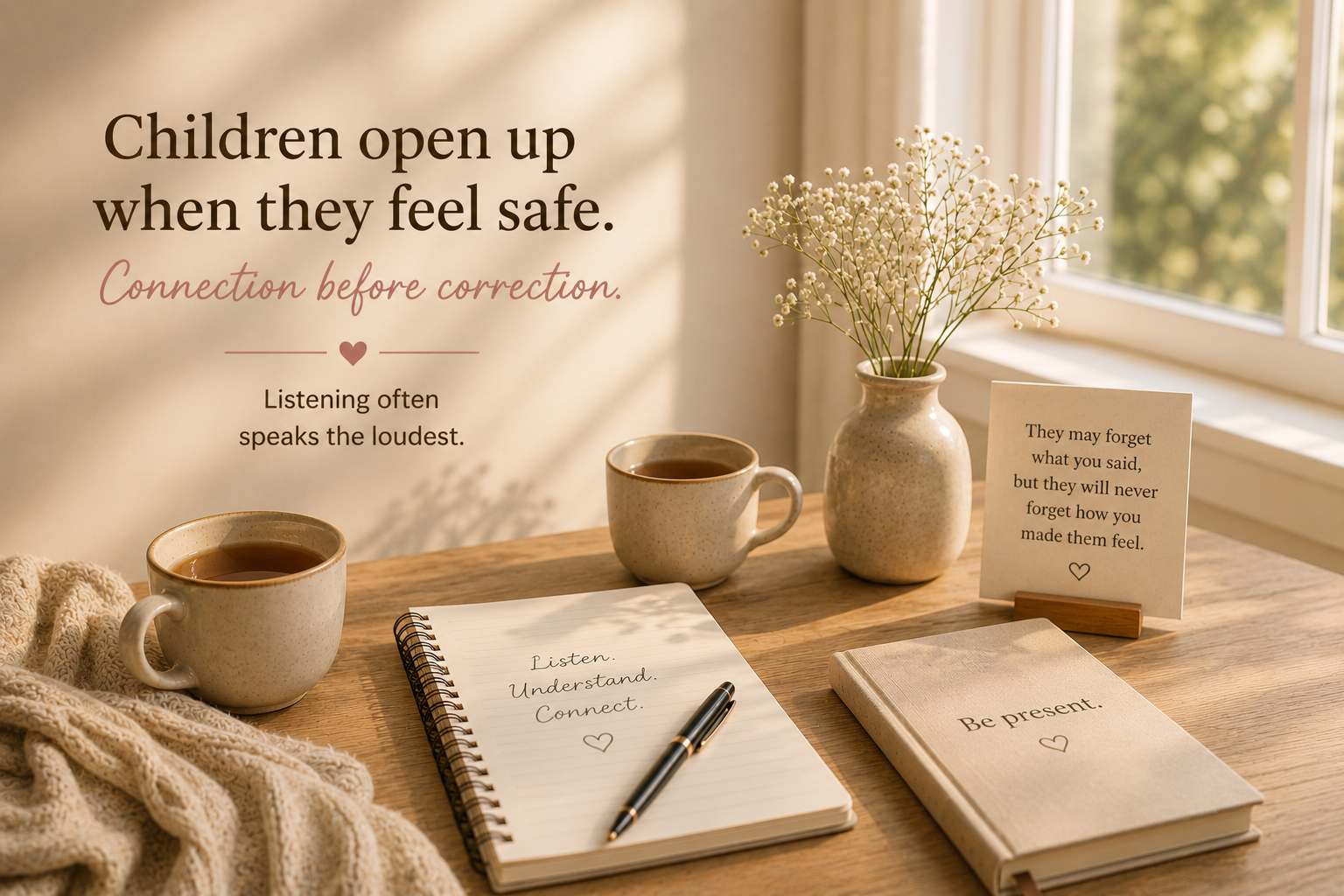


Not as an idea to achieve—but as a relationship you build with yourself over time
More Than a Feeling
Self-love is often spoken about as if it’s something you either have or don’t. In reality, it’s not that simple. It’s not a constant state of confidence, nor is it about always feeling positive about yourself.
Self-love is a relationship—one that requires attention, honesty, and patience. It shows up in the way you speak to yourself, the expectations you carry, and how you respond when things don’t go as planned.
It’s not about getting everything right. It’s about not turning against yourself when things go wrong.
When You’ve Been Taught to Put Yourself Last
For many people, self-love feels unfamiliar. You may have been taught to prioritise responsibility, performance, or the needs of others before your own. Over time, this becomes second nature. You learn to show up for everything and everyone—except yourself.
At some point, this starts to take a toll. Not always in obvious ways, but through quiet exhaustion, irritability, or a sense that something feels off even when life looks “fine” on the outside.
This doesn’t mean you’re doing life wrong. It may simply mean you’ve been living without checking in on what you need.
Listening Without Judging
One of the more difficult parts of self-love is learning to listen to yourself without immediately correcting or criticising what you hear.
You may notice thoughts that feel uncomfortable—self-doubt, frustration, even resentment. The instinct is often to push these away or replace them with something more “positive.” But ignoring them doesn’t resolve anything. It only creates distance within yourself.
Self-love asks for something quieter but more honest. To pause. To notice. To ask, “What is this trying to tell me?”
Not every feeling needs to be fixed immediately. Some just need to be understood first.
Small Choices That Shift Everything
Self-love is rarely built through big, dramatic changes. It develops through smaller, consistent choices—often the ones no one else sees.
It can look like resting before you are completely drained, setting a boundary even when it feels uncomfortable, or choosing not to be harsh with yourself after a mistake.
These moments may seem insignificant, but over time, they change the way you relate to yourself. They create a sense of steadiness that doesn’t rely on external validation or constant achievement.
A Different Kind of Strength
There is a quiet strength in learning to stay on your own side. Not in a way that excuses everything, but in a way that allows you to grow without tearing yourself down in the process.
Self-love doesn’t make life perfect. It changes how you move through it. With more awareness, more patience, and a little more space to be human.
Reach Out
If this feels familiar, it may be worth looking at how you’ve been relating to yourself—not just what you’ve been trying to achieve.
Sometimes, having the right support helps you see what’s been difficult to recognise on your own.